
Mastering Customer Relationships: Objectives, Scope, and the CRM vs. ECRM Divide

In business today, keeping customers happy pays off big. Did you know it costs five times more to win a new customer than to hold onto an existing one? That's why Customer Relationship Management, or CRM, sits at the heart of smart strategies. It helps companies build strong ties with customers through data and tools. This article breaks down CRM objectives, explores its full scope, and clears up the difference between CRM and ECRM. You'll see how these elements drive real growth.
Deconstructing CRM: Core Objectives Driving Business Growth
The Primary Aims of Implementing a CRM Strategy
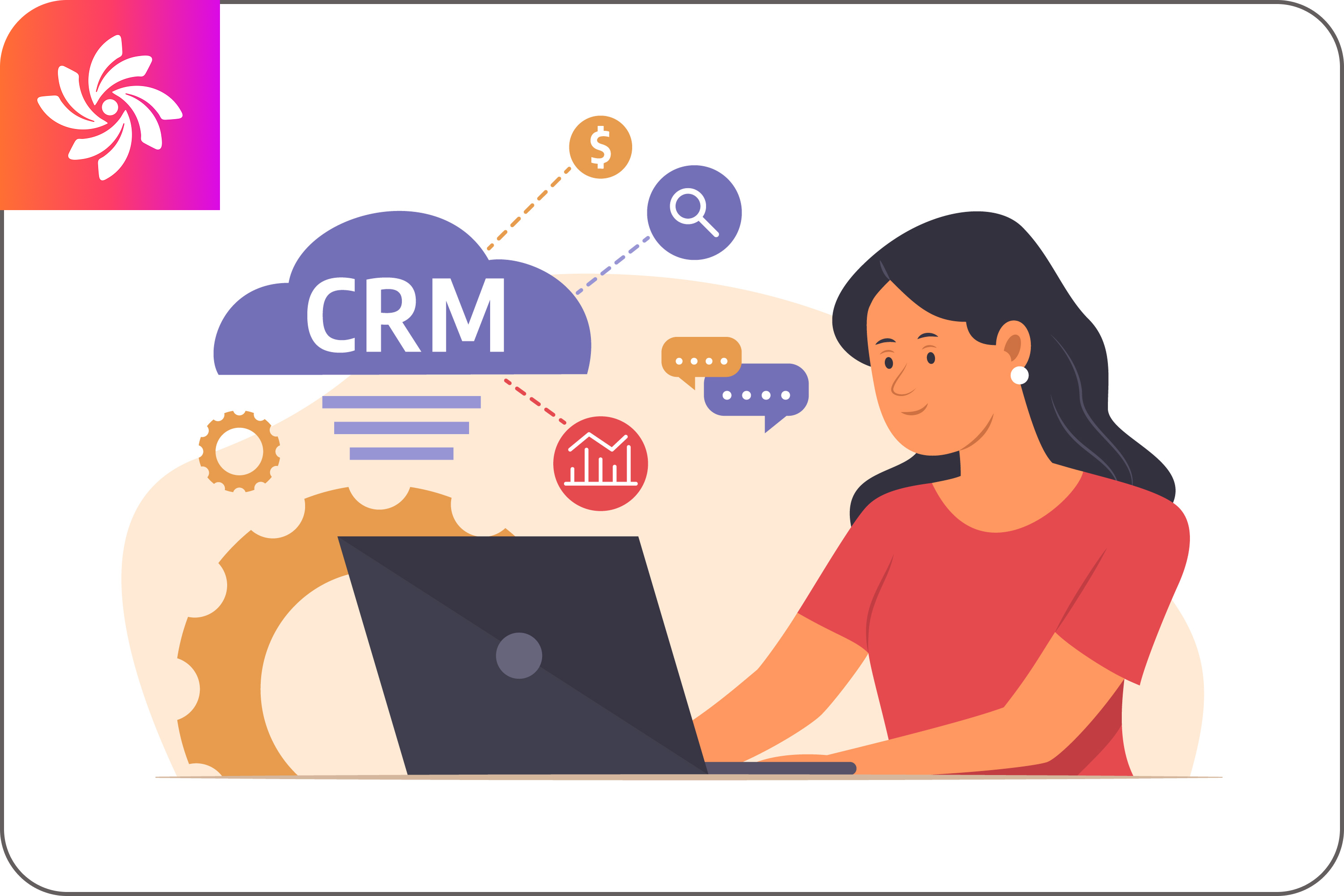
CRM objectives focus on key business wins. Companies use CRM to grow sales, cut costs, and build loyalty. At its core, CRM turns customer data into action that boosts revenue and efficiency. Think of it as a central hub where teams spot patterns and make quick moves. These goals help firms stay ahead in tough markets.
Enhancing Customer Acquisition and Sales Conversion Rates
CRM gathers all lead info in one place. This setup speeds up the sales process and sharpens forecasts. Sales teams track every step, from first contact to close, cutting conversion time by up to 30%. You get better predictions on deals, so no opportunities slip away. For example, lead scoring ranks prospects by interest level. Try adding lead scoring to your CRM—it sorts hot leads first and raises close rates.
Boosting Customer Retention and Lifetime Value (CLV)
Personal touches keep customers coming back. CRM spots at-risk users through behavior data and sends tailored messages. This cuts churn and lifts CLV, the total worth of a customer over time. Studies show retained customers spend 67% more. Take Verizon, a big telecom firm. They use CRM to fix service glitches before users notice, keeping satisfaction high and saving millions in lost business.
Streamlining Internal Processes for Operational Excellence
CRM links sales, marketing, and service teams. Data flows freely, so everyone works from the same page. Automation handles tasks like email follow-ups and reports, freeing staff for big-picture work. This setup boosts efficiency and reduces errors. Teams collaborate better, leading to faster decisions and smoother operations.
Defining the Boundaries: Understanding the Full Scope of CRM
Mapping the Functional Landscape of Customer Relationship Management
The scope of CRM goes far beyond simple contact lists. It covers marketing, sales, and service in one system. This wide reach helps businesses manage every customer touch. Modern CRM tools handle data from emails to calls, giving a full view. It's like having a control center for all customer interactions.
Marketing Scope: Segmentation, Campaigns, and Lead Nurturing
CRM data lets you split customers into groups by habits or needs. This targets campaigns right, like emails for past buyers. Track ROI with built-in reports on opens and clicks. Lead nurturing keeps prospects warm with timed content. You see what works and tweak for better results. Over time, this builds a steady flow of ready-to-buy leads.
Sales Scope: Pipeline Management and Performance Analytics
Track deals from start to finish in the sales pipeline. CRM logs activities and flags stalled opportunities. Leaders get dashboards on team output, like calls per rep or win rates. This visibility spots weak spots fast. For sales managers, it's a tool to coach and hit quotas. Analytics turn raw numbers into plans that drive more closes.
Service Scope: Support Channels, Ticketing, and Issue Resolution
CRM handles tickets from emails, chats, or calls in one queue. Agents access full histories for quick fixes. Built-in knowledge bases offer answers without digging. This speeds resolutions and cuts wait times. Customers feel heard, which builds trust. In busy ops, it keeps service levels high without extra hires.
The Digital Evolution: Differentiating CRM and ECRM
CRM Versus ECRM: Understanding the Evolution from Traditional to Electronic Frameworks
CRM and ECRM share roots but differ in tech focus. CRM covers broad customer management, often starting with desktop software. ECRM builds on that with web tools for anytime access. The shift came with online growth, making ECRM key for digital firms. In some places, folks use the terms loosely, but ECRM points to electronic upgrades.
Core Technological Differences: System Architecture and Accessibility
Old CRM might run on local servers, needing IT setup. ECRM lives in the cloud, easy to scale and reach from phones. You log in from anywhere, no bulky installs. This setup suits remote teams and quick changes. Cloud options cost less upfront and update automatically.
Scope Expansion: ECRM's Emphasis on Digital Customer Touchpoints
ECRM pulls in social media and website data. It watches mentions on Twitter or Facebook for instant replies. Online portals let users check orders themselves. These add-ons fit the online world where customers expect fast digital service. Traditional CRM might overlook this, but ECRM weaves it in.
Data Interaction Velocity and Real-Time Capabilities
ECRM captures info live, like chat responses or page views. This lets teams react right away, not after delays. In marketing, real-time tweaks boost ad hits. For service, it flags urgent issues on the spot. Speed turns data into wins, keeping you connected in a quick market.
Implementing CRM Successfully: Actionable Best Practices
Strategic Steps for Maximizing CRM Return on Investment (ROI)
Success starts with solid setup. Clean data migration sets the base—bad info leads to wrong calls. Map your goals to CRM features early. Train users well to avoid waste. Track metrics like adoption rates to measure gains.
Data Governance: Ensuring Accuracy and Consistency Across Departments
Good data means reliable insights. Set rules for entries, like full names and dates. Run audits monthly to fix duplicates. The old rule holds: bad input, bad output. Teams share clean info, so reports stay true.
For small teams starting out, a simple CRM spreadsheet template can bridge to full software. It keeps things organized without big costs.
User Adoption Strategies: Training and Change Management
People resist new tools if they seem hard. Offer role-based sessions—sales learns pipelines, service gets ticketing. Pair new users with buddies for quick help. Show wins early to build excitement. High buy-in means the system gets used, not shelved.
Leveraging CRM Analytics for Proactive Decision-Making
Go past past reports to predict trends. CRM tools spot patterns, like seasonal drops. Use this to plan ahead, like stocking more support in peaks. Dashboards make it simple for all levels. This shift from react to plan amps up ROI.
Conclusion: The Future of Relationship Management is Integrated and Intelligent
CRM ties objectives, scope, and digital tools into one strategy. It aims to grow sales, retain customers, and run smooth ops across marketing, sales, and service. ECRM extends this with online speed and reach, fitting today's connected world. Remember, CRM is more than software—it's a way to put customers first for lasting success.
Here are key takeaways:
- CRM objectives center on acquisition, retention, and efficiency to fuel business growth.
- Its scope spans targeted marketing, sales tracking, and quick service, all in one platform.
- CRM vs. ECRM highlights the move to cloud-based, real-time digital tools.
- Strong implementation with clean data and training unlocks full value.
Ready to upgrade your customer ties? Pick a CRM that fits your needs and start small. Your bottom line will thank you.
